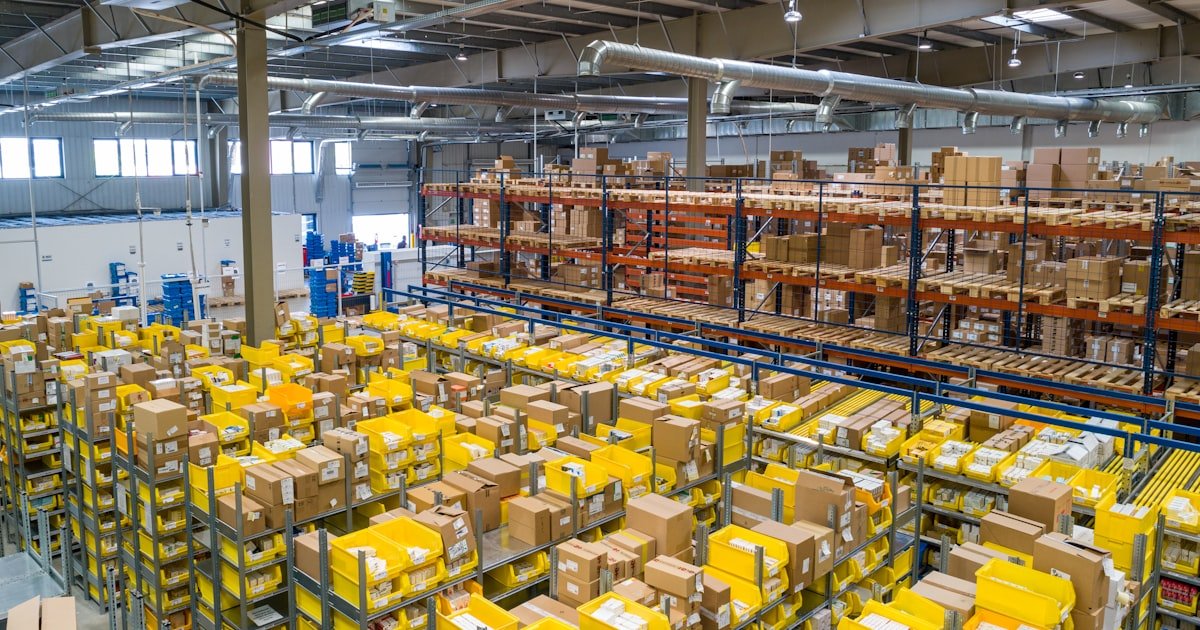
Last mile delivery in the MENA region presents a unique set of challenges that do not exist in mature e-commerce markets like the US or Europe. With e-commerce logistics costs in the region running 2-3 times higher than global averages and failed delivery rates reaching 25-40%, solving the last mile problem is not just an operational concern; it is a fundamental business viability issue. The MENA last mile delivery market is expected to reach $4.1 billion by 2028, reflecting both the scale of the challenge and the opportunity.
The Address Problem
The most fundamental last mile challenge in MENA is the absence of standardized addressing systems. In many areas across Morocco, Egypt, Iraq, and parts of Saudi Arabia, formal street addresses simply do not exist or are not widely used:
- No postal codes in many areas: Unlike developed markets where postal codes narrow delivery to a few streets, many MENA zones lack functional postal code systems
- Descriptive addresses: Customers provide directions like "next to the blue mosque, third building after the roundabout, apartment 4" instead of structured addresses
- Rapidly developing areas: New neighborhoods and construction zones appear faster than mapping systems can update, leaving entire communities off the grid
- Multiple naming conventions: The same street or neighborhood may have official Arabic names, French colonial names, and local colloquial names used interchangeably
This address ambiguity leads to 15-20% of first delivery attempts failing purely due to the driver's inability to locate the customer. Each failed attempt costs between $2-5 in driver time, fuel, and vehicle wear.
Rural Delivery Economics
Approximately 35-45% of the MENA population lives in rural or semi-urban areas, but serving these customers profitably is extremely challenging:
- Low order density: A driver in Casablanca might complete 40-60 deliveries per day. In rural Morocco, that drops to 8-15 deliveries due to distances between customers
- Higher per-delivery cost: Urban delivery costs average $1.50-2.50 per package, while rural deliveries can reach $5-10 per package
- Infrastructure limitations: Poor road conditions, seasonal flooding, and limited GPS coverage make route planning unreliable
- Lower order values: Rural customers tend to place smaller orders, making the delivery cost a higher percentage of the order value
Many COD sellers find that rural deliveries are unprofitable below a minimum order threshold. Setting zone-specific minimum order values or adding rural delivery surcharges is essential for sustainability.
Cash Handling Challenges
With 60-80% of MENA e-commerce transactions being COD, delivery drivers become mobile cash handlers, creating unique challenges:
- Security risks: Drivers carrying large amounts of cash are targets for theft. Daily cash limits per driver typically range from $500-1,500
- Exact change problems: Customers frequently do not have exact change, leading to disputes. In Morocco, a customer with only a 200 MAD note for a 180 MAD order creates friction
- Reconciliation complexity: Tracking cash collected across hundreds of drivers daily requires robust systems. Discrepancies average 2-5% of total COD collections without proper controls
- Delayed remittance: The time between cash collection and merchant remittance varies from 3-21 days depending on the carrier, creating cash flow pressure
- Counterfeit currency: Drivers must verify bill authenticity in the field, adding time and complexity to each delivery
Technology Solutions Transforming Last Mile Delivery
Innovative technology is gradually solving these challenges:
GPS and Location Sharing
Instead of relying on text addresses, modern delivery platforms allow customers to drop a pin on a map at order time. GPS-based delivery reduces address-related failures by 40-60%. However, adoption varies: urban MENA customers are comfortable with map pins, while rural customers may need phone-based guidance.
WhatsApp Location Sharing
Given WhatsApp's near-universal adoption across MENA (90%+ penetration in Morocco, Egypt, and Gulf states), using WhatsApp for last mile coordination has become a game-changer:
- Drivers request live location sharing from customers when approaching the delivery area
- Customers send voice notes with directions in local dialect
- Photo sharing of landmarks or building entrances to guide drivers
- Delivery confirmation with timestamped photos sent to customers via WhatsApp
Smart Route Optimization
AI-powered route optimization considers MENA-specific factors: prayer times (deliveries during Dhuhr and Asr prayers have higher failure rates), traffic patterns unique to each city, market days that block certain roads, and Ramadan-adjusted delivery windows (evening deliveries during the fasting month see 30% higher success rates).
Mobile Payment Integration
The gradual introduction of mobile wallets is beginning to address cash handling challenges. In Morocco, mobile money transactions grew 45% year-over-year. Offering mobile payment as an alternative to cash at the door reduces cash handling costs by $0.50-1.00 per delivery. However, full cash replacement remains years away in most MENA markets.
Future Outlook
The MENA last mile landscape is evolving rapidly:
- Dark stores and micro-fulfillment: Urban fulfillment centers positioned within residential areas enabling 1-2 hour delivery windows
- Locker networks: Parcel locker installations at shopping centers, gas stations, and residential complexes are growing, offering customers self-service pickup
- Drone delivery pilots: Saudi Arabia and the UAE are testing drone delivery for remote areas, potentially cutting rural delivery costs by 60-70%
- What3words and plus codes: Alternative addressing systems that assign unique codes to 3-meter squares are gaining adoption as a bridge solution to the address problem
For COD sellers, the immediate priority is working with delivery partners who leverage technology to overcome these challenges today. Platforms like CODRocket connect you with carriers that offer GPS-based delivery, WhatsApp coordination, and smart route optimization, helping you achieve higher delivery success rates while managing costs through centralized multi-carrier management.

